Picture this: You’ve just embarked on your entrepreneurial journey, full of dreams and hopes for your small business. But then, unexpected events like lawsuits or natural disasters strike, and without the right protection, your entire dream could crumble in an instant. That’s where small business insurance comes in—a critical shield against the myriad risks that can topple your business castle.
Small business insurance isn’t just a safety net; it’s your passport to peace of mind. Just like you keep spare tires in your trunk, consider insurance your business safety spare—absolutely essential for navigating the unpredictable roads of entrepreneurship. From covering potential liabilities to safeguarding your assets, insurance gives you the confidence to drive your business forward while minimizing risks.






Importance of Small Business Insurance
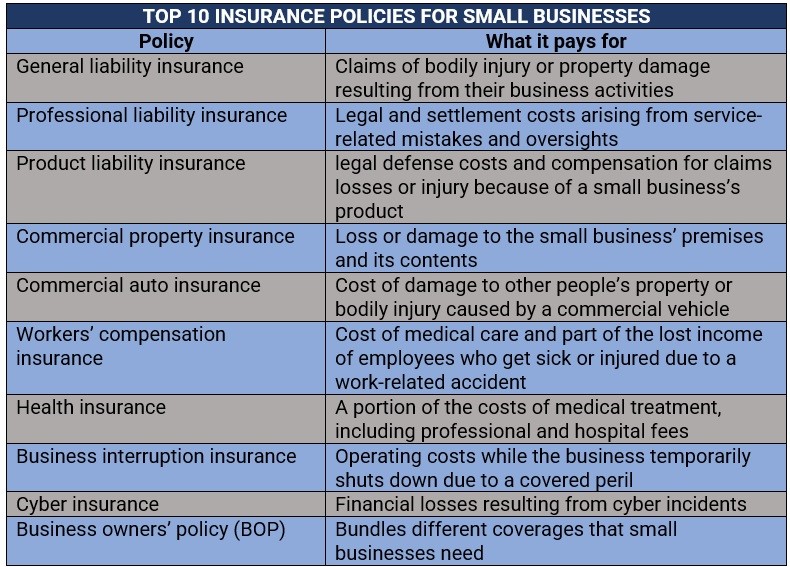
Is your small business really protected? Let’s face it, disasters don’t announce themselves before they strike. One unfortunate event could cost you everything.
Here is the deal: having insurance isn’t just a safety net, it’s a business necessity. Without it, you’re leaving your company, your staff, and your future at stake. As a small business owner, understanding the potential risks is crucial because missteps are often unforgiving.
Risks Faced by Uninsured Businesses
Small businesses face tons of risks daily, from natural disasters to legal liabilities. Imagine a customer slipping in your store. An uninsured accident like this could drown you in legal fees. Or think about a fire destroying your inventory. Without insurance, you could end up bankrupt.
Many businesses have faced these situations head-on. For example, a local bakery survived a major gas leak accident because they were insured. Another landscaping company avoided closure after a costly equipment theft, all thanks to a robust insurance policy.
Pro Tip: Don’t wait until it’s too late! Securing insurance now can save your business from financial ruin later.
Types of Small Business Insurance
Did you know that 75% of businesses are underinsured? But before you panic, let’s tackle the types of small business insurance you need to know about.
It’s about protecting your business from the unexpected. From property damage to liability suits, there’s an insurance type for every risk. But which ones do you really need?
General Liability Insurance
Every small business should have General Liability Insurance. It covers legal expenses in case someone gets hurt or property is damaged. This is your first line of defense against lawsuits.
Property Insurance
Property Insurance saves your assets from disasters. Think about what would happen if a fire or a storm hit tomorrow. You wouldn’t want to lose your inventory or office space, right? This insurance keeps your physical assets safe.
Business Interruption Insurance
What’s worse than a disaster hitting? Not being able to operate afterwards. Business Interruption Insurance helps you cover lost income and operating expenses when you can’t do business as usual.
Workers’ Compensation Insurance
As soon as you hire employees, this is a must-have. Workers’ Compensation covers medical expenses and wage replacement for employees injured on the job. It protects not just them, but you from lawsuits.
Professional Liability Insurance
If you’re offering advice or services, you need Professional Liability Insurance. This type of coverage protects you from claims of negligence or mistakes. It’s essential for consultants, lawyers, and accountants.
Pro Tip: Don’t just pick one type. Combine policies to reduce risk exposure effectively.
Comparison of Small Business Insurance Types
Let’s break it down to make your decision easier with this comparison:
| Type | Coverage | Cost | Ideal Business |
|---|---|---|---|
| General Liability | Legal expenses for injuries and property damage | Medium | All businesses |
| Property Insurance | Damage to buildings and contents | High | Retail, Manufacturing |
| Business Interruption | Lost income during downtime | High | Service-based, Retail |
| Workers’ Compensation | Employee injury expenses | Variable | Employers |
| Professional Liability | Claims of negligence or mistakes | Medium | Consultants, Service providers |
Choosing the Right Insurance for Your Business
Did you know? A staggering 44% of small businesses will face an insurance claim over the next ten years! That means choosing the right insurance isn’t just smart—it’s crucial.
But with so many policies out there, how do you know which is best for your business? Let’s break it down.
Criteria for Selecting Suitable Insurance Policies
Here’s the deal: not all insurance policies are created equal. You need to assess comprehensive coverage, cost, and the specific needs of your business size and industry. Start by auditing your business risks. What do you stand to lose? Tailoring your policy means you aren’t paying for coverage you don’t need.
Pro Tip: Always check for policy exclusions and conditions. What isn’t covered can be as important as what is.
Steps to Evaluate Insurance Providers
You’ve decided on the coverage, but which provider do you choose? Start by researching their reputation and stability. A provider who’s been around for 100 years isn’t going anywhere. Compare customer reviews and claim settlement speed. Providers who are slow with payouts or hard to contact can be major red flags.
Pro Tip: Verify that the provider’s panel includes trusted insurers to have strong backing.
Checklist for Determining Business Insurance Needs
A simple checklist can save you time and money. First, identify your assets and liabilities. Then, consider the external risks—like natural disasters—in your area. Don’t forget to review state and local laws for mandatory coverages. Finally, project your growth to plan future needs and adjust.
- List all physical assets.
- Assess liability exposure.
- Review mandatory insurance laws.
- Scale existing coverage for projected growth.
Cost Factors and Budgeting for Business Insurance
Think your small business insurance is a fixed cost? Think again. There are several factors that influence what you’ll pay.
Here’s the deal: understanding what drives your insurance premiums is crucial. And if you don’t budget for it properly, you could end up paying way more than you need to.
Factors Influencing Insurance Premiums
The cost of business insurance can be as unpredictable as a cat on a hot tin roof. But let me break down the main factors for you:
- Your industry type—some industries carry more risks, which means higher premiums.
- The location of your business—Urban areas often come with higher costs.
- Number of employees—more employees can mean higher risk and higher premiums.
- Your claim history—a clean record can save you big time.
How to Budget for Business Insurance
You can’t just throw a number on business insurance and call it a day. You need a strategy. Here’s how to budget effectively:
Step #1: Calculate the total value of what you need to insure. This gives you a baseline.
Step #2: Consider the specific risks associated with your business type, including liability, property, and auto.
Step #3: Shop around. Don’t settle for the first quote you get. Compare at least three.
Step #4: Review your coverage annually to ensure it meets current needs and matches your budget.
Pro Tip: Bundle insurance policies with one provider to get a discount.
Cost-Saving Strategies for Business Insurance
You don’t have to break the bank to keep your business protected. Here are some proven cost-saving strategies:
- Increase your deductible to lower your premium.
- Improve workplace safety to reduce risk and claims.
- Take advantage of small business group insurance plans.
- Pay your premium annually to avoid installment fees.
- Bundle different types of coverage to save money.
Understanding Insurance Policy Terms and Conditions
Here’s a question for you: Do you know what your business insurance policy actually covers? Many business owners don’t, and that can lead to costly surprises. Let’s break down what those pages of policy documents are really saying.
It’s crucial to get a grip on the key terms and conditions in your insurance policy before you sign on the dotted line. These terms can define the extent of your coverage, dictate your payouts, and sometimes even affect your premiums. Overlook them, and you might end up with a policy that’s more empty promises than protection.
Key Terms Every Policyholder Should Know
First, let’s tackle some common phrases you’ll find in your policy. The deductible is the amount you pay out of pocket before your insurance kicks in. Then there’s the premium, your regular payment for the policy. Next, we have the limit, which is the cap on what you’ll be reimbursed. Think of these as the ABCs of insurance. Miss this, and you might just miss out when you need coverage the most.
Decoding Policy Documents
Insurance documents can feel like they’re written in another language. Here’s the deal: Start by focusing on sections labeled Exclusions and Endorsements. Exclusions list what the policy doesn’t cover (such as certain natural disasters), while endorsements can modify your coverage. It’s essential to go through these sections line by line. It might feel tedious, but it’s far less tedious than shelling out for unexpected losses.
Pro Tip: “Understand your policy inside and out. It’s the difference between being covered or paying out of pocket!”
Case Studies of Small Business Insurance in Action
Ever wonder how insurance plays out when things get dicey for small businesses? The stats are clear: 40% of small businesses face a claim situation every year. Let’s dive into some real-world cases and see how insurance can turn a potential crisis into a manageable hiccup.
These case studies shed light on the crucial role insurance plays. You’ll see the stark contrasts between businesses cushioned by insurance and those left exposed. Prepare to learn some valuable lessons that could save your business’s future.
Insured Bakery Bounces Back After Fire
Meet Sweet Tooth Bakery—a thriving mom-and-pop shop that faced an unexpected challenge: a kitchen fire that damaged equipment and halted operations. With a robust business insurance policy in place, they filed a claim immediately.
The result? They received a payout covering not just the equipment replacement, but also loss of income during repairs. Within weeks, Sweet Tooth was up and running, retaining their loyal customer base.
Pro Tip: Always include business interruption coverage in your policy. It can be a game-changer.
Uninsured Tech Startup Faces Data Breach
Conversely, TechAid Solutions, an ambitious startup, suffered a major setback due to a data breach. Without cyber liability insurance, they shoulder the expenses of data recovery and legal fees themselves.
Their growth stalled, and they lost trust from key clients. This incident hit their bottom line hard. No insurance meant no cushion to absorb these unexpected costs. Ouch.
Comparing the Outcomes
Let’s put these scenarios side by side:
| Business | Situation | Insurance | Outcome |
|---|---|---|---|
| Sweet Tooth Bakery | Fire Damage | Yes | Quick Recovery |
| TechAid Solutions | Data Breach | No | Financial Strain |
These examples highlight the transformative power of having a safety net. Insured businesses like Sweet Tooth can swiftly recover, while going uninsured can lead to severe financial strain.
Lessons Learned from Insurance Scenarios
So, what can you learn from these stories? First, the right policy can prevent a setback from becoming a catastrophe. Second, understanding coverage specifics is crucial. You don’t want surprises when filing claims.
The way forward is clear: protect and prepare your business against the unpredictable. Insurance is more than a formality; it’s a vital part of your business’s risk management strategy.
Final Summary
In conclusion, insuring your small business is akin to fortifying your fortress. It not only protects your tangible assets and intellectual property but also secures your future growth potential. By understanding the intricacies of different insurance types, selecting the right policy, and budgeting wisely, you’re arming your business with a robust shield. Dive into the details today, and don’t leave your business’s fate to chance.
Answers to Common Questions
What is the importance of small business insurance?
Small business insurance is crucial as it helps protect your business from potential risks, like lawsuits or damage, ensuring financial stability and continuity.
What are the types of insurance policies available for small businesses?
Common types of small business insurance include General Liability, Professional Liability, Business Owner’s Policy (BOP), Workers’ Compensation, and Commercial Auto Insurance.
How do you choose suitable insurance for your business?
Identify your business’s specific risks, evaluate insurance providers, and use a checklist to match policies with your needs, considering coverage, cost, and reliability.
What factors influence the cost of business insurance premiums?
Factors include business size, industry risk, location, coverage limits, and claims history, all affecting the premium rates you pay.
How can small businesses save on insurance costs?
Implement risk management strategies, compare multiple quotes, bundle policies, maintain a clean claims history, and raise deductibles to reduce premiums.


